
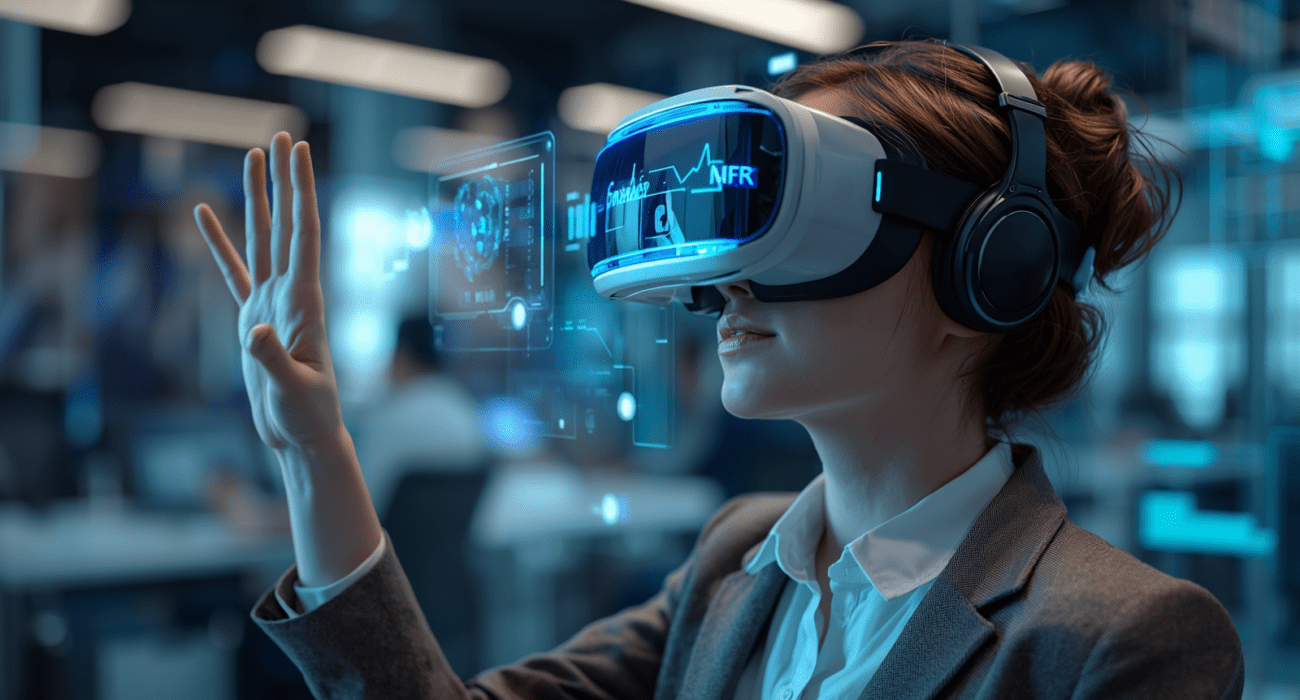
Virtual Reality for Companies and Immersive Technology in Colombia
Companies that continue relying on traditional training methods, static presentations, and passive learning processes are increasingly struggling with engagement, knowledge retention, and operational efficiency. Virtual reality for companies has become one of the most powerful technologies for transforming business processes through immersive simulations, interactive experiences, and realistic digital environments.
Today, organizations across industries such as healthcare, manufacturing, construction, logistics, retail, and marketing are implementing virtual reality solutions to improve training outcomes, reduce operational risks, and create memorable experiences for employees and customers.
Many businesses also complement these initiatives with interactive 3D experiences, corporate video games, and gamified platforms to increase participation and accelerate digital transformation.
At Fryos Studios, we develop virtual reality solutions for companies using Unity, Unreal Engine, and advanced 3D technologies to create immersive platforms aligned with real business objectives.
What Is Virtual Reality for Companies?
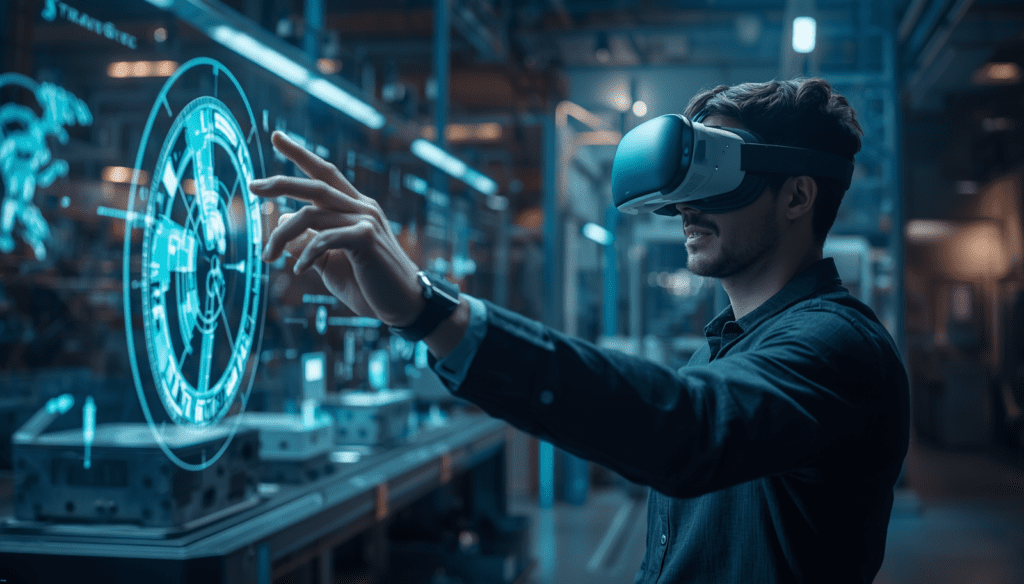
Virtual reality for companies consists of creating immersive digital environments where users can interact with simulations in real time through VR headsets, motion controllers, and advanced 3D systems.
Unlike traditional training methods, VR allows employees and users to learn through direct experience inside virtual scenarios specifically designed to replicate real-world situations, operational processes, and business environments.
These solutions transform complex business challenges into measurable, scalable, and highly engaging experiences.
How Are Companies Using Virtual Reality?
The adoption of immersive technologies continues to grow among organizations seeking to improve internal processes, increase efficiency, and strengthen innovation strategies.
Immersive Training and VR Simulations
One of the most valuable applications of virtual reality for companies is corporate training.
Industries such as mining, healthcare, manufacturing, logistics, and construction use VR simulators to train personnel without exposing employees, equipment, or facilities to unnecessary risks.
Immersive simulations can recreate:
- Safety procedures.
- Machinery operation.
- Emergency response scenarios.
- Medical procedures.
- Industrial workflows.
- Decision-making exercises.
This significantly improves knowledge retention while reducing operational errors.
Immersive Marketing and Brand Experiences
Virtual reality is also transforming how companies engage customers during events and marketing campaigns.
Organizations use VR to create:
- Virtual showrooms.
- Interactive product demonstrations.
- Immersive brand activations.
- Trade show experiences.
- Digital exhibitions.
- Interactive 3D product catalogs.
These experiences increase user engagement, brand recall, and customer participation.
Many organizations also complement these strategies with 3D experiences for businesses and advergames to create more engaging marketing ecosystems.
Use Cases of Virtual Reality for Companies
Virtual reality can be implemented across multiple business functions.
Corporate Simulators
Organizations use VR simulators to recreate operational environments and train employees safely in realistic conditions.
Virtual Showrooms
Companies showcase products and services inside immersive digital environments accessible from anywhere.
Technical Training
VR allows employees to gain practical experience through hands-on simulations tailored to specific industries.
Brand Activations
Interactive virtual experiences help brands stand out during events, trade shows, and product launches.
Virtual Tours
Organizations create digital walkthroughs of facilities, industrial plants, construction projects, and commercial spaces.
Benefits of Implementing Virtual Reality in Business
Virtual reality provides far more than visual impact. It delivers measurable operational and strategic advantages.
Key Benefits
- Higher knowledge retention.
- Interactive learning experiences.
- Reduced workplace risks.
- Lower long-term training costs.
- Safe simulation of complex scenarios.
- Real-time performance analytics.
- Better employee engagement.
- Stronger innovation positioning.
Traditional Training vs Virtual Reality Training
| Traditional Training | Virtual Reality Training |
|---|---|
| Passive learning | Active participation |
| Lower retention rates | Higher knowledge retention |
| Physical risks during practice | Safe simulation environments |
| Difficult to measure performance | Real-time analytics |
| Repetitive operational costs | Scalable digital deployment |
| Lower engagement | Immersive learning experiences |
How Much Does Virtual Reality for Companies Cost?
The investment required for virtual reality solutions depends on several factors:
- Project complexity.
- Graphic fidelity.
- Simulator requirements.
- VR hardware integration.
- Number of users.
- Multiplayer functionality.
- Custom software development.
Each project should be evaluated individually to determine the appropriate technical scope and business requirements.
What Makes a Specialized VR Studio Different?
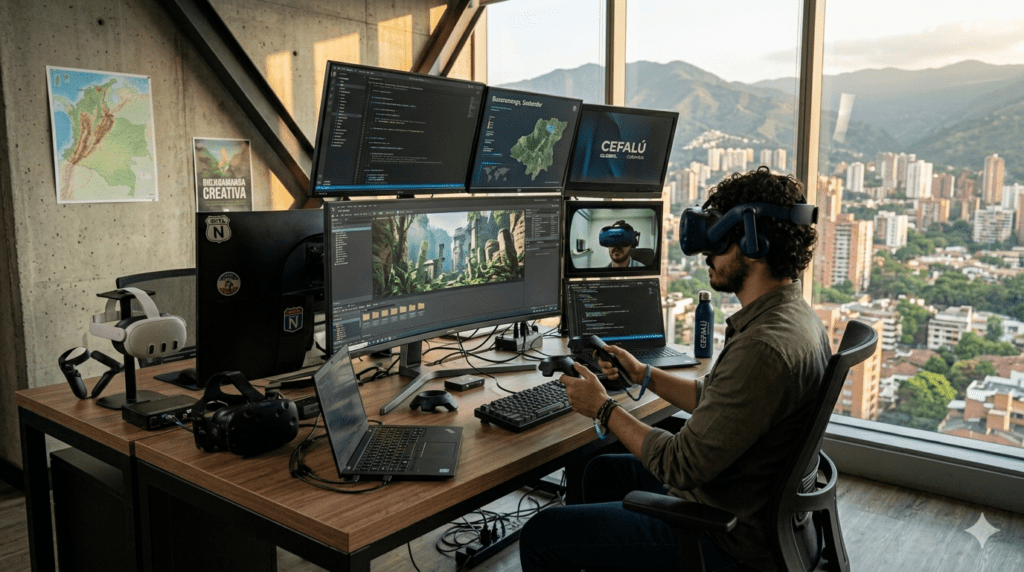
Many agencies can create attractive visual content, but immersive technology projects require specialized technical expertise.
A VR-focused studio provides:
Unity and Unreal Engine Development
Professional game engines allow the creation of realistic simulations with high-performance graphics and advanced interactivity.
Cross-Platform Optimization
Experiences can be deployed across VR headsets, desktop computers, mobile devices, and web platforms.
Immersive Interaction Design
User interactions are carefully designed to maximize immersion and usability.
Scalable Technical Architecture
Enterprise projects require stability, security, performance optimization, and future scalability.
For larger projects, many companies also rely on gaming staff augmentation to quickly integrate specialized Unity and Unreal Engine developers into existing teams.
Virtual Reality Within the Immersive Business Ecosystem

Virtual reality for companies is part of a broader ecosystem of interactive technologies.
Organizations often combine VR with:
- Interactive 3D experiences.
- Corporate simulators.
- Advergames.
- Business games.
- Gamification platforms.
- Interactive software solutions.
Many companies also integrate VR with business game development solutions to improve employee engagement, training outcomes, and performance measurement.
Industries Using Virtual Reality Today
Virtual reality is now widely adopted across multiple sectors.
Industries actively implementing virtual reality for companies include:
- Healthcare.
- Education.
- Construction.
- Architecture.
- Manufacturing.
- Retail.
- Logistics.
- Mining.
- Human resources.
- Marketing and events.
Virtual reality is no longer an experimental technology. It has become a practical competitive advantage for organizations focused on innovation and digital transformation.
Frequently Asked Questions About Virtual Reality for Companies
Depending on the project, businesses may require VR headsets, compatible hardware, and custom-built software designed around their operational needs.
No. Scalable VR solutions are now accessible for medium-sized businesses and organizations looking to improve training, marketing, or internal operations.
Pricing depends on the complexity of the project, interaction systems, graphical quality, and platform requirements.
A standard immersive project can take between 2 and 6 months depending on technical scope and production requirements.
Yes. Both game engines are widely used worldwide for enterprise simulations, immersive experiences, and high-performance interactive platforms.
Fryos Studios: Virtual Reality Development for Companies in Colombia
At Fryos Studios, we help organizations transform training programs, operational processes, and customer experiences through immersive technologies.
We develop VR simulations, interactive platforms, corporate training systems, digital twins, and immersive experiences using Unity, Unreal Engine, and advanced 3D technologies.
In addition to virtual reality solutions, we also create interactive 3D experiences, advergames, gamification platforms, and business game development solutions for companies across Colombia and Latin America.
Virtual reality for companies has become a strategic tool for organizations looking to improve training, optimize operations, and deliver more engaging experiences for employees and customers.
.
🚀Looking to develop a virtual reality solution for your company?
📩 Contact us today:
Email: info@fryosstudios.com
🌐 Fryos Studios Official Website